Diagnostic work is one of the most specialized services a repair shop provides. Yet, it is often one of the most underpriced. Many businesses set their diagnostic rate based on what competitors charge rather than on their own operating costs—a practice that can significantly reduce profitability.
The Cost Goes Far Beyond the Technician’s Salary
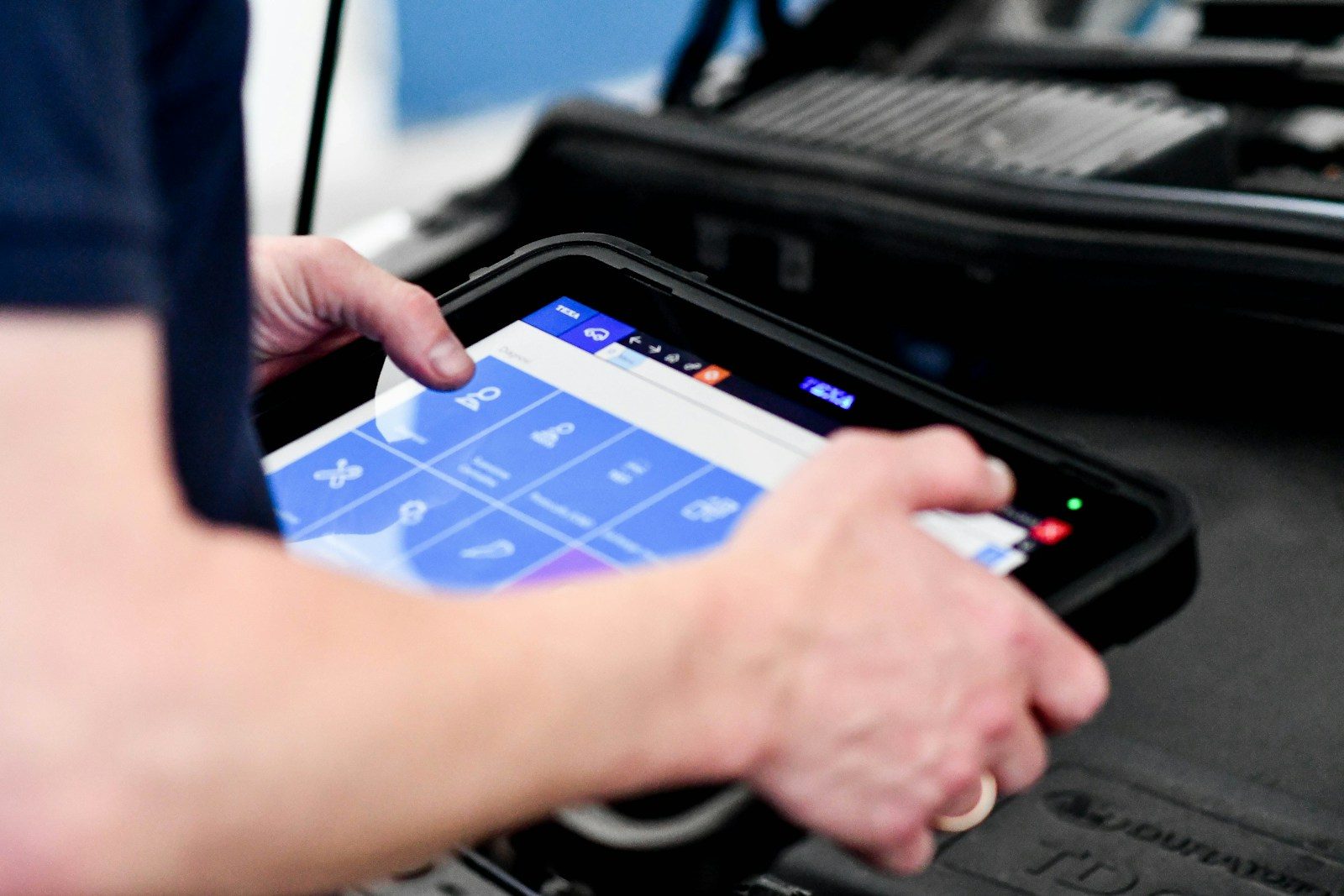
One hour of diagnostic work involves much more than the technician’s salary. It also includes employee benefits, ongoing technical training, subscriptions to repair information platforms, diagnostic software licences, software updates, equipment depreciation, facility overhead, and the time required to analyze test results.
In addition, the service advisor plays a critical role by opening the repair order, communicating with customers, and presenting the diagnostic findings and recommended repairs.
Calculate Before You Set Your Rate
To establish a profitable diagnostic rate, every shop must first understand its true hourly operating cost. This calculation identifies the minimum amount that must be charged before the business earns a profit.
Complex diagnostics often require thousands of dollars’ worth of specialized equipment and years of technical training and experience. That expertise has real value and should be reflected in the shop’s pricing.
Shops that view diagnostics as a professional service rather than simply the first step toward a repair are generally more profitable while also reinforcing the value of their technicians’ expertise. After all, customers are not paying only for the time it takes to identify a problem—they are paying for the ability to identify it accurately the first time.
Photo by Edoardo Cuoghi