
In an ever-changing environment, body shops that want to increase productivity and stand out from the competition must rely on a major asset: strategic investment.
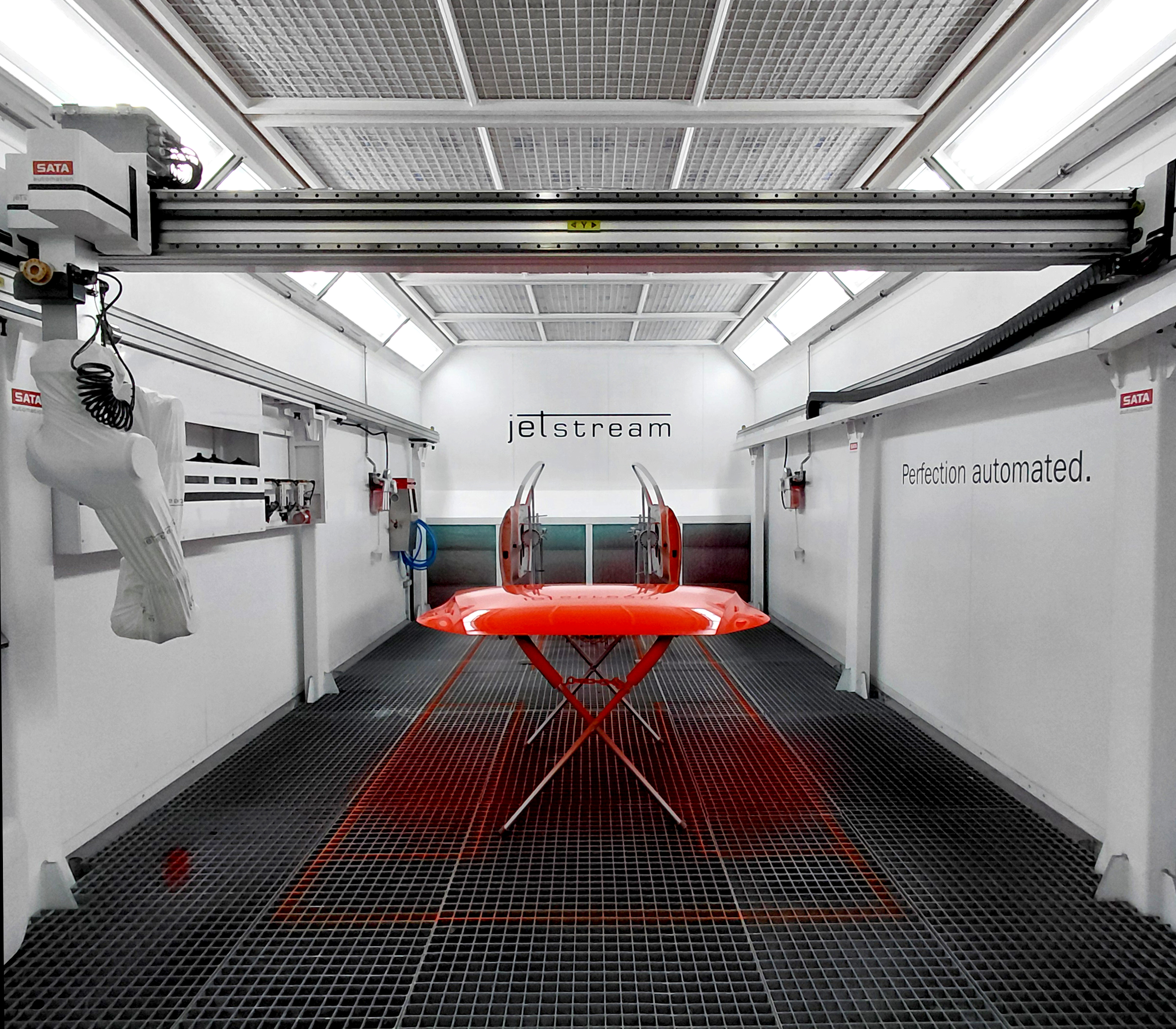
Both human and technological, this commitment represents a real transformation in the way they work. Automation is the cornerstone of this revolution. Modern equipment, such as fast-drying paint booths or bodywork repair robots, can significantly reduce intervention times. These technologies minimize delays and increase the volume of vehicles processed without compromising quality, a crucial asset for attracting and retaining customers.
New perspectives
At the same time, the digitalization of processes opens up new possibilities. Shop management software, for example, provides a complete overview of operations: repair planning, real-time tracking of work in progress, inventory management, and even instant communication with customers. This operational fluidity reduces errors, improves timelines and optimizes customer satisfaction.
But technological investment doesn’t stop at machines. Training staff to use these tools is equally essential. A well-trained team not only becomes more efficient, but also more motivated to leverage the full potential of new technologies. By focusing on automation, digitalization and continuous training, body shops can meet market challenges while increasing their profitability. These investments, far from being costs, represent a strategy that pays off and guarantees not only increased productivity, but also a sustainable competitive position.
The importance of following trends
To go even further, it is crucial to keep up with emerging trends and take a proactive approach. For example, the integration of artificial intelligence and machine learning can offer innovative solutions for predictive maintenance and process optimization. In addition, working with technology partners can accelerate the implementation of new solutions and increase the competitiveness of shop floors.
Ultimately, the key to success lies in the ability to adapt quickly and leverage technological advancements to stay ahead of the industry.
CRÉDIT : Pixabay (Libre de droits)
AUTEUR : geraldoswald62
Picture credit : Pixabay (Copyright)
Author : geraldoswald62