
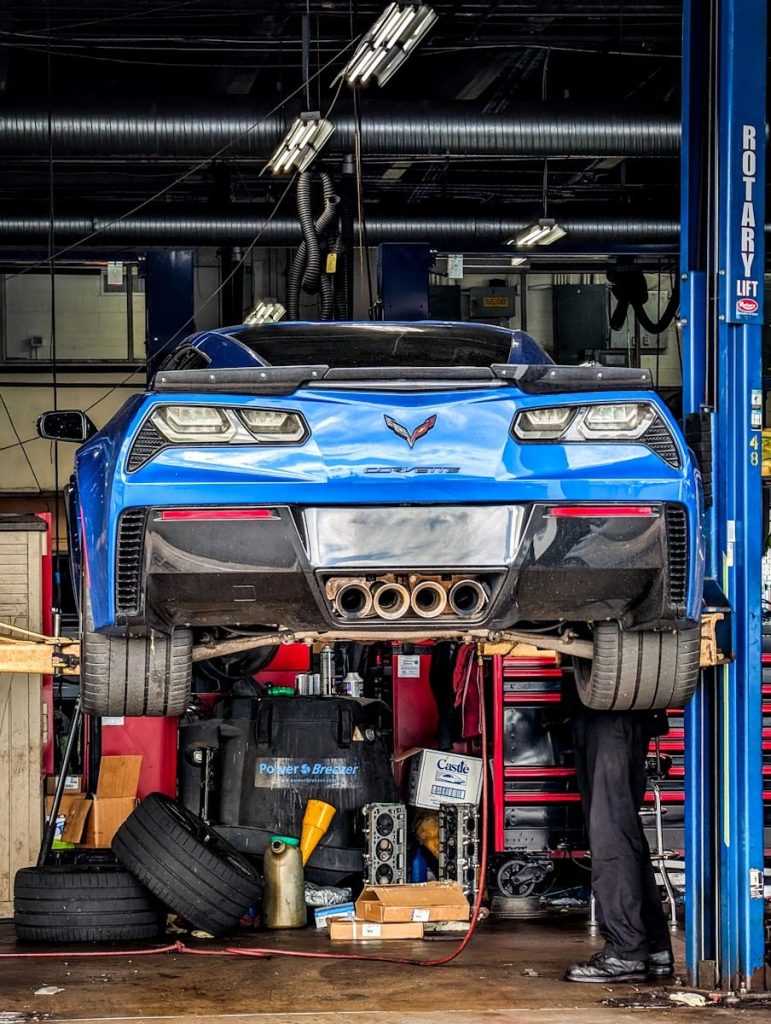
The data confirms it: shops with more service bays generate higher average invoices. Growth, then, isn’t measured only by the number of vehicles repaired, but by the value created on every ticket.
Capacity and value
Smaller shops (1 to 3 bays) post an average invoice of $406, while those with 7 bays or more reach $592 — a sign of their ability to handle larger, more complex jobs. Shops with 4 to 6 bays strike the best balance between capacity and utilization.
Reading billed hours correctly
One caveat on the “billed hours per invoice” ratio: because it’s calculated per bay rather than per technician, it dips temporarily when a shop adds space that isn’t yet fully used. That dip reflects an investment in future capacity, not a drop in performance.
In practice: measure how fully your current bays are used before expanding, prioritize high-value jobs to make each new bay pay off, and track your average invoice over 24 to 36 months to gauge the true return on your expansion.
Photo par Koons Automotive