
Advanced driver assistance systems (ADAS) are disrupting the automotive industry and redefining the aftermarket landscape. These technologies are radically transforming the driving experience, improving safety and creating new economic opportunities.
In recent years, travel habits have undergone profound changes, leading to a significant increase in demand for sensors and other technological accessories, generating profits for aftermarket companies.
As ADASs adapts to the future of mobility, it is becoming an essential part of the automotive industry, with an impact on aftermarket management that is undeniable.
Adapted management for guaranteed success
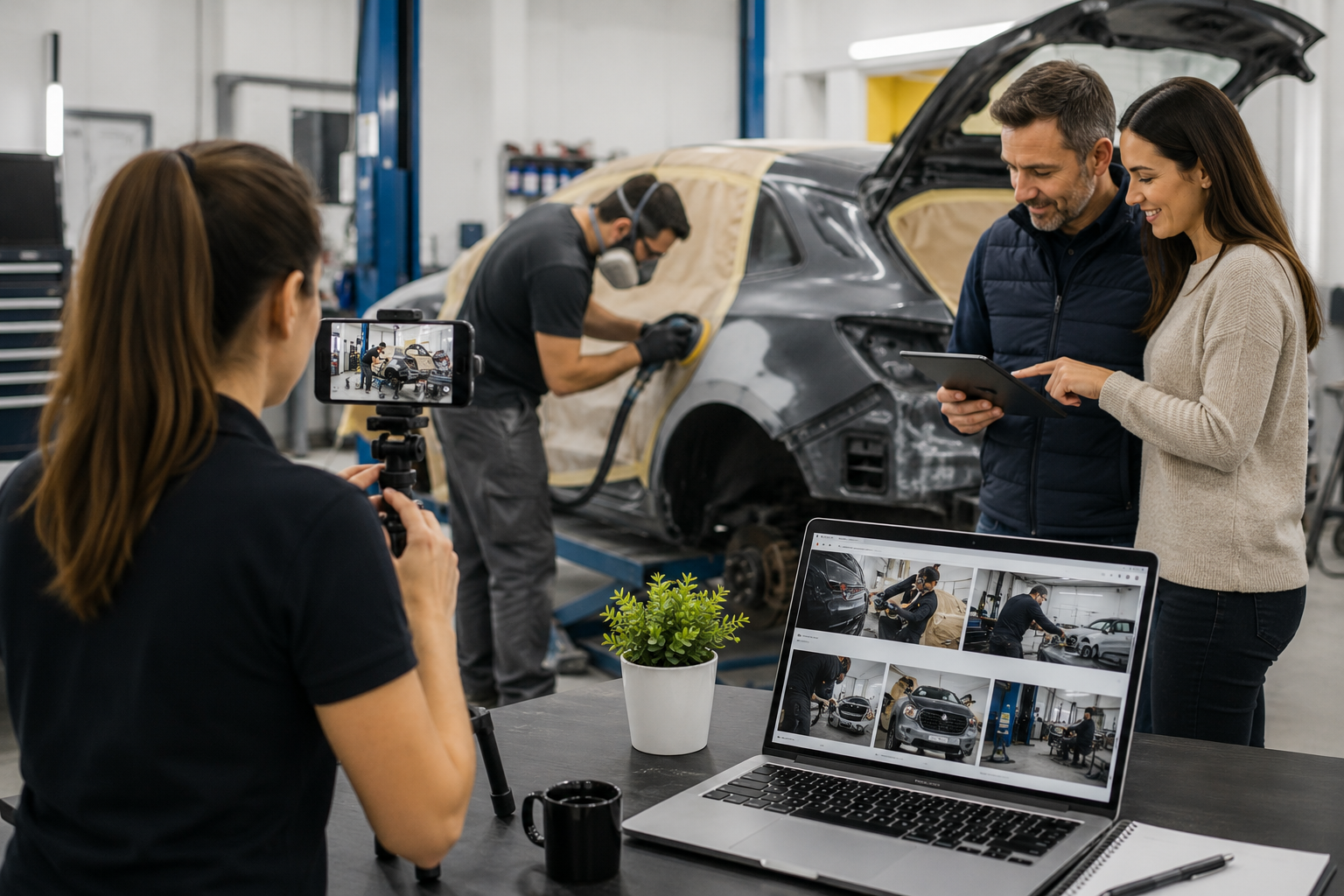
From the moment they were implemented, ADAS systems imposed a radical transformation of the supply chain. As the number of sensors, radars, cameras, ultrasonic systems and other control devices is greatly increasing, precise maintenance and calibration of each module have become essential. Auto repair shops and service centres must now adopt high-tech diagnostic tools and reinforce the skills of their technicians in working with these complex systems. By acquiring specialized training programs and modernizing their equipment, after-sales service providers position themselves as true technological partners for manufacturers and consumers.
In addition, the aftermarket is benefiting from new product categories created by this revolution. Distributors and suppliers benefit from a constant flow of ADAS-friendly spare parts and accessories. The rise of the electrification of vehicles and connected systems is multiplying business opportunities and promoting the emergence of innovative products, making it possible to reconfigure the classic interface between drivers and their vehicles. This dynamic stimulates investment in research and development, with the aim of offering ever more efficient solutions to motorists.
Responsibilities of managers
In this context, the rise of ADAS is reflected in significant revenue growth and the consolidation of a network of partners capable of meeting the requirements of a rapidly changing market. By skillfully adapting to these innovations, the automotive aftermarket is not only modernizing, but it is also positioning itself as a major pillar of tomorrow’s mobility.
PICTURE CREDIT : Unsplash.com (Libre de droits)