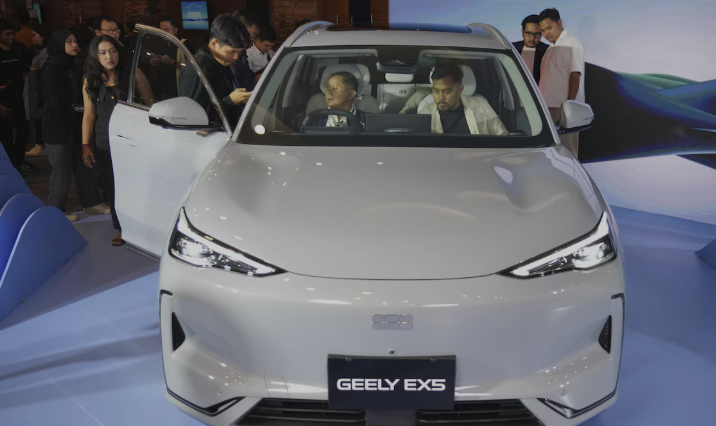
Canada is revising its trade strategy regarding electric vehicles (EVs) imported from China, signaling a shift that could reshape the domestic automotive market. After enforcing high tariffs to protect local production, Ottawa is now allowing a controlled entry of Chinese-made EVs at reduced duty rates.
This approach aims to improve EV affordability for Canadian consumers while attempting to safeguard the competitiveness of the North American automotive sector.
What This Means for the Industry
For automakers and suppliers, this opening brings increased competitive pressure, particularly in the affordable EV segment. Chinese models—often supported by strong industrial policies and lower production costs—could push established OEMs to reassess pricing strategies, market positioning, and the pace of innovation.
Within the supply chain, some players see opportunities for diversification, including potential technology or industrial partnerships, while others raise concerns about weakened domestic investment and manufacturing jobs.
A Delicate Balance to Maintain
While the controlled introduction of Chinese EVs could accelerate electrification in Canada, it also raises critical questions around:
- protection of local manufacturing,
- long-term industrial investment,
- alignment with U.S. and European trade policies.
For automotive professionals, this issue goes beyond tariffs. It represents a long-term strategic challenge at the heart of the energy transition and the global competitiveness of Canada’s automotive industry.
Picture credit : AP / Achmad Ibrahim (Taken from Radio-Canada website)