By Yves Racette
Training Must Evolve as Fast as Technology
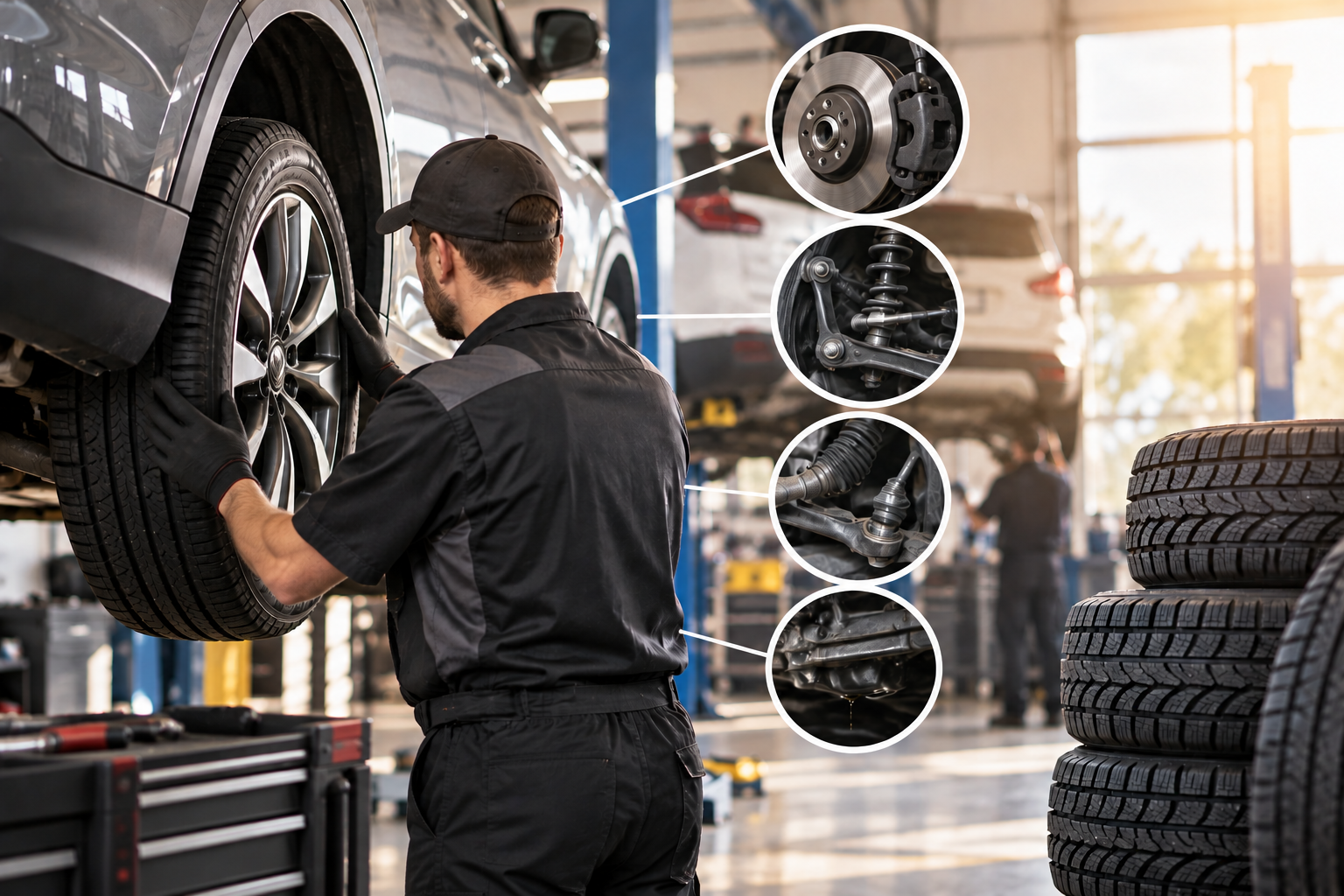
One of the greatest challenges facing the mobility industry today is ensuring that training evolves at the same pace as technology. Traditional automotive education can no longer meet the demands of a transportation ecosystem that is increasingly electrified, connected, and software-defined.
The next generation of electric vehicle (EV) training—which, by the way, is really just an opportunity to bring the right people into the training they need to properly repair the vehicles entering today’s repair facilities—must extend far beyond basic high-voltage safety and conventional repair procedures.
Building Multidisciplinary Skills for Tomorrow’s Repair Shops
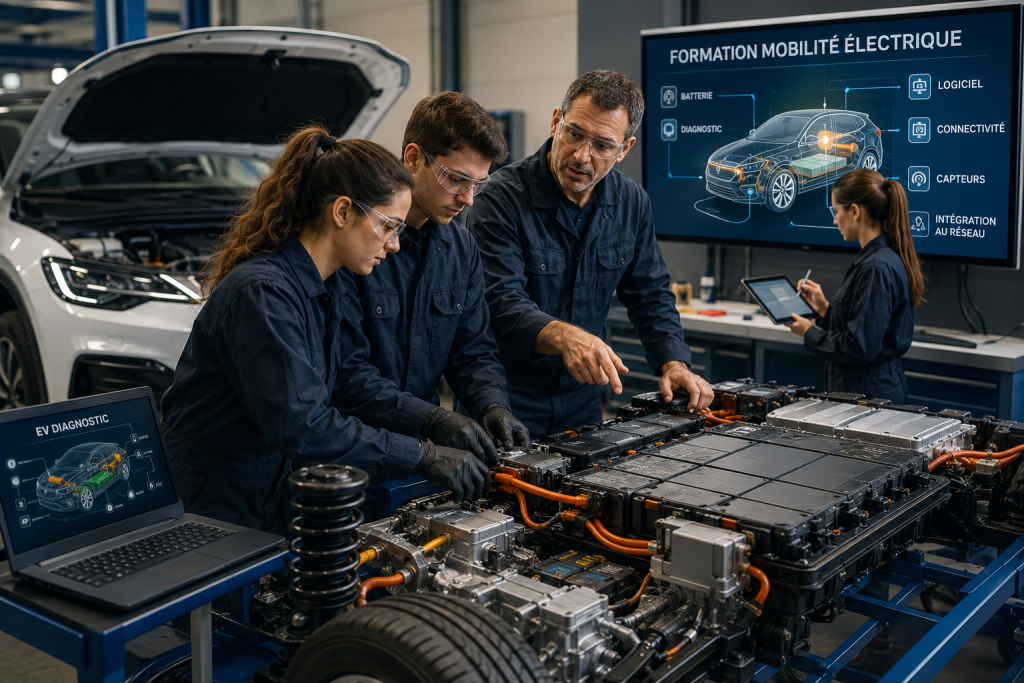
Modern mobility technologies require a broader, more interdisciplinary approach that encompasses battery chemistry, software-defined vehicles, advanced diagnostics, sensor calibration, connectivity systems, and vehicle-to-grid integration concepts.
As vehicles become smarter, the skills required to service and support them become increasingly sophisticated. Technicians must understand how software influences vehicle performance. They must be proficient with advanced electronic systems, machine learning applications, and data-driven diagnostics.
The mobility professionals of tomorrow will need to go beyond traditional mechanical repair and develop expertise across multiple technological disciplines.
Preparing the Next Generation for Industry Needs
Educational institutions and training organizations must anticipate these evolving requirements. Tomorrow’s workforce cannot be prepared using yesterday’s training programs. Training curricula must continuously adapt to emerging technologies while remaining aligned with the real-world needs of the automotive industry.
A Future Built on Continuous and Immersive Learning
This transformation is already taking shape through innovative learning models that combine traditional classroom instruction, hands-on experience, virtual simulations, augmented reality, mixed reality environments, and hybrid learning solutions.
These approaches enable learners to gain practical experience with the technologies they will encounter throughout their careers while ensuring flexibility and accessibility. The objective is not simply to teach today’s technologies, but to foster a culture of continuous learning that empowers automotive professionals to adapt to the industry’s constant evolution.