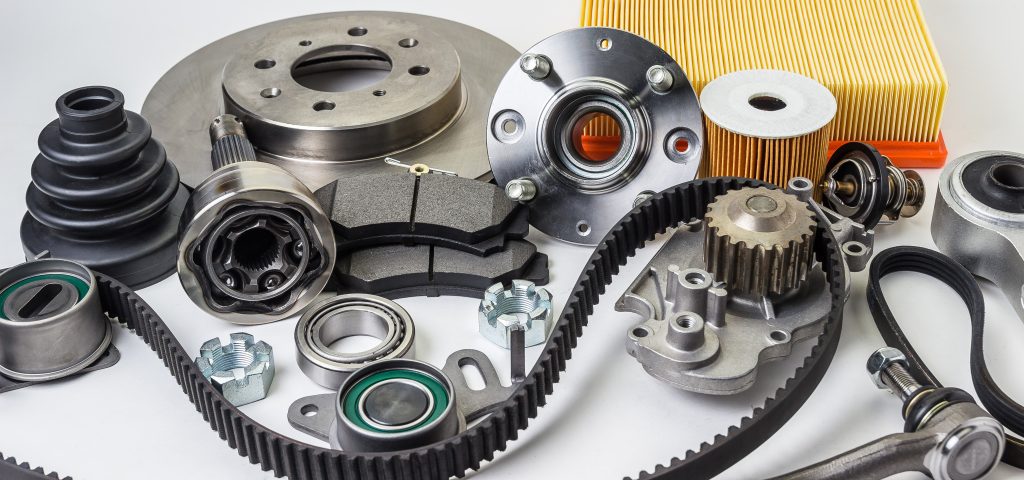
The rapidly expanding breadth and depth of products required to repair the growing number and diversity of cars and light trucks on Canadian roads is exacerbating the already daunting proliferation of aftermarket parts.
This proliferation forces manufacturers, distributors, retailers, and repair shops to manage ever-larger and more varied inventories of light vehicle parts to satisfy the requirements of Canada’s expanding vehicle repair market.
This presents real challenges for brick-and-mortar businesses at every level of the aftermarket. In contrast, parts proliferation opens competitive opportunities for eCommerce in both the Do-It-Yourself (DIY) and Do-It-For-Me (DIFM) segments.
Four Factors Driving Parts Proliferation
In the Canadian light vehicle aftermarket, proliferation is driven by four key forces: growth of foreign nameplates, increasing vehicle age, advancing vehicle technology, and consumer economic pressures.
Factor 1: Foreign Nameplates Surge
In Canada, foreign-brand vehicles (Japanese, Korean, European) make up a substantial share of the vehicle fleet. The growth of these vehicles—especially in the repair-age bracket where aftermarket usage is high—has increased demand for make-specific parts, intensifying parts proliferation.
Factor 2: Rising Vehicle Age
Canadians are keeping their vehicles longer. The vehicle fleet is ageing, with more cars reaching 10, 12, 15 years or more. Accordingly, the range of needed model years expands, forcing larger and more varied inventories across the aftermarket.
Factor 3: Vehicle Technology, Hybrids, EVs
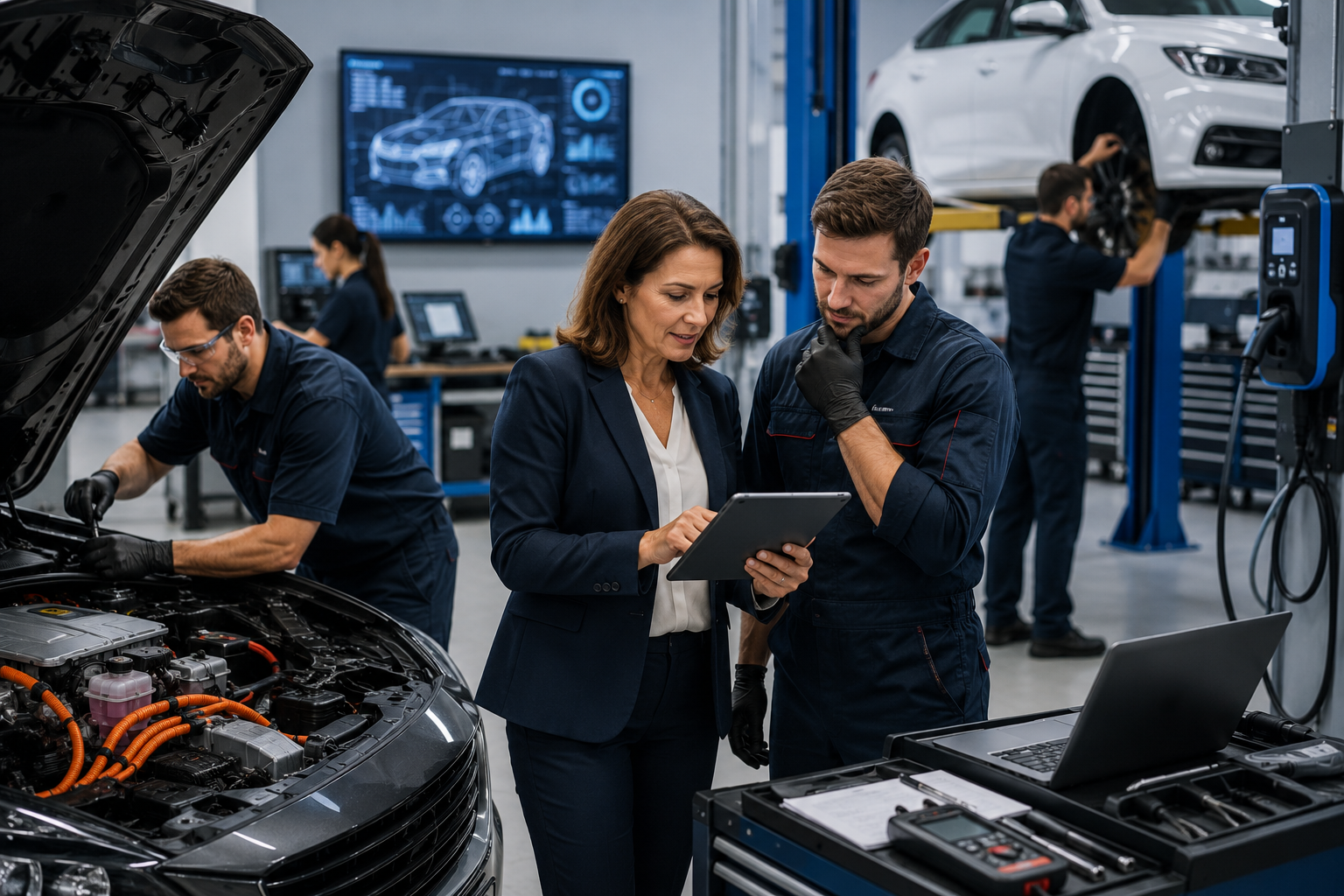
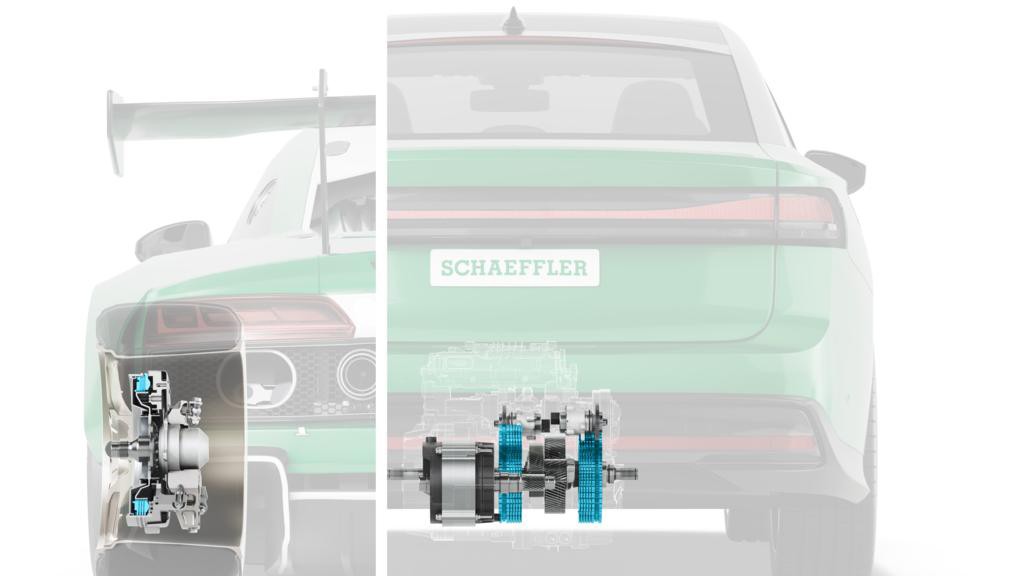
The number of “smart” parts (sensors, electronics) and systems like ADAS continues to rise dramatically. Each new generation of vehicles tends to introduce proprietary software and sensor systems, adding new SKUs to inventories. Additionally, the growing number of electric and hybrid vehicles demands unique replacement parts that must be added to inventories annually.
Factor 4: Economic Pressure on Consumers
Like in the U.S., many Canadian households feel squeezed by inflation. This increases demand for “good” (mid-tier) auto parts rather than premium ones, multiplying price-level variations of the same functional part. Consumers with older vehicles increasingly prefer affordable, serviceable parts, adding further strain to inventory variety.
Challenges for Brick-and-Mortar Businesses
Traditional aftermarket players long assumed that extensive inventories gave them a competitive edge. But as parts proliferation accelerates, delivering “instant availability”—a cornerstone of consumer expectations—becomes increasingly expensive and fragile.
Costs of inventory, logistics, margin pressures, and obsolescence risks challenge the viability of that model across manufacturing, distribution, retailing, and repair.
eCommerce Opens Opportunities
For eCommerce, the very proliferation threatening physical operations becomes a competitive advantage. By bypassing certain distribution layers, online channels can often offer better pricing than brick-and-mortar counterparts burdened by high inventory costs.
Moreover, as in-store instant availability becomes more unreliable, that advantage erodes. Consumers grow more willing to order parts online and have them delivered to an approved repair location. The online-to-offline (o2o) model gains strength: customers schedule repairs post-delivery rather than expecting in-store parts to always be on hand.
Text credit : Lang Marketing:
Picture credit : Adobe stock